

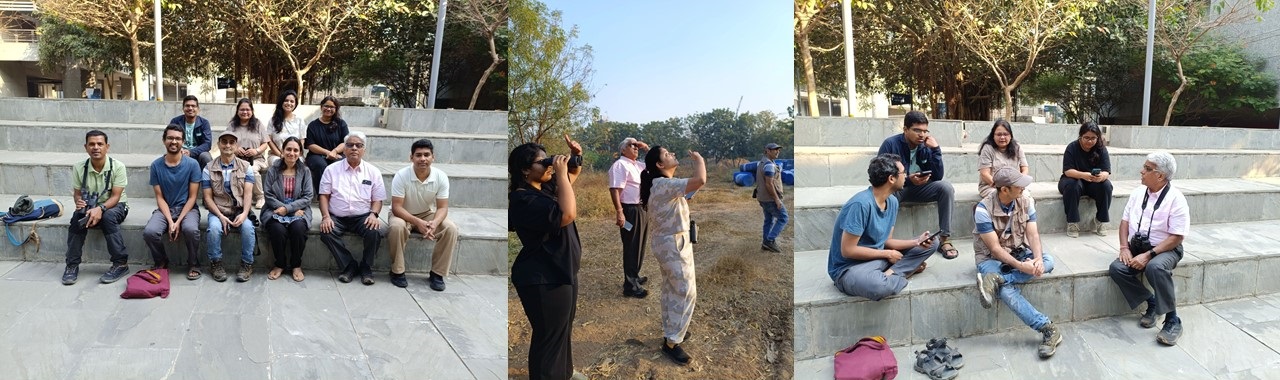
Campus Bird Count activity
The Dr. Kiran C. Patel Centre for Sustainable Development at the Indian Institute of Technology Gandhinagar organized a guided birdwatching session as part of the global Campus Bird Count held on February 16, 2026. The early morning activity brought together members of the campus community to observe and identify diverse bird species while learning about their behaviour, habitats, and ecological significance under the guidance of birdwatching experts. Participants recorded their sightings using the Cornell University-developed eBird app, contributing valuable data to a global citizen science database used by researchers and conservationists worldwide. The event successfully fostered environmental awareness, encouraged community participation in biodiversity documentation, and strengthened the culture of sustainability on campus. Through the uploaded bird lists to our campus “hotspot,” a comprehensive list of all species reported from the campus was automatically generated. The data also enabled us to identify commonly observed bird species based on the frequency of sightings. On the occasion of the event, many bird enthusiasts came together to appreciate the natural beauty of the campus and actively participate in the Campus Bird Count (CBC).
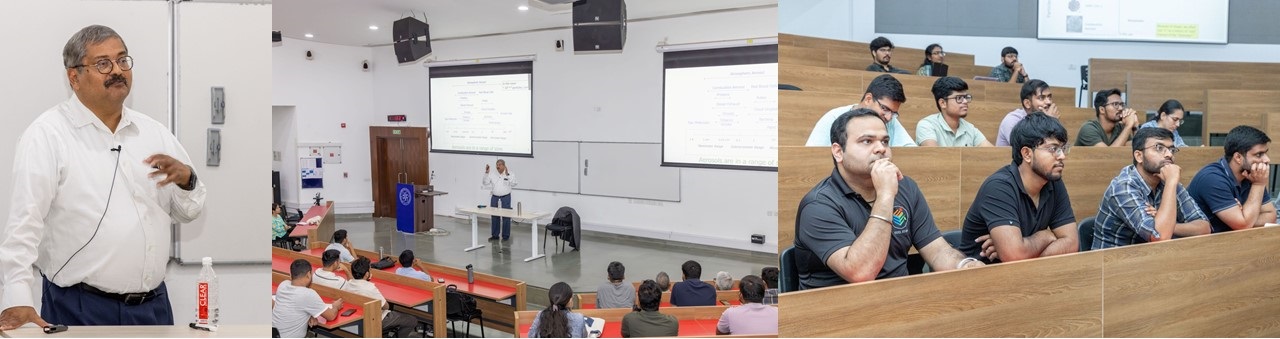
Seminar by Prof. Pratim Biswas on “Sustainable Processing of Advanced Materials Using Aerosol Methodologies”
On February 16, 2026, Indian Institute of Technology Gandhinagar (IITGN) hosted a seminar by Prof. Pratim Biswas on “Sustainable Processing of Advanced Materials Using Aerosol Methodologies,” organized under the Ministry of Education’s SPARC scheme and the Dr. Kiran C. Patel Centre for Sustainable Development. Prof. Pratim Biswas is a world-renowned leader in aerosol science and engineering, currently a faculty member in the Department of Chemical, Environmental, and Materials Engineering at the University of Miami. Prof. Biswas explained the fundamentals of aerosols and their wide-ranging applications in health, environment, advanced materials, renewable energy, and agriculture. He highlighted how precise control of particle formation enables innovations such as targeted drug delivery, air pollution mitigation, improved solar materials, and efficient nutrient systems. A key focus of the lecture was sustainable synthesis, including the use of waste-derived precursors, energy-efficient reactor designs, and Life Cycle Analysis to reduce environmental impact and carbon footprint. Emphasizing interdisciplinary collaboration, Prof. Biswas underscored the need to integrate scientific innovation with responsible manufacturing to address global challenges in sustainability, public health, and technology.
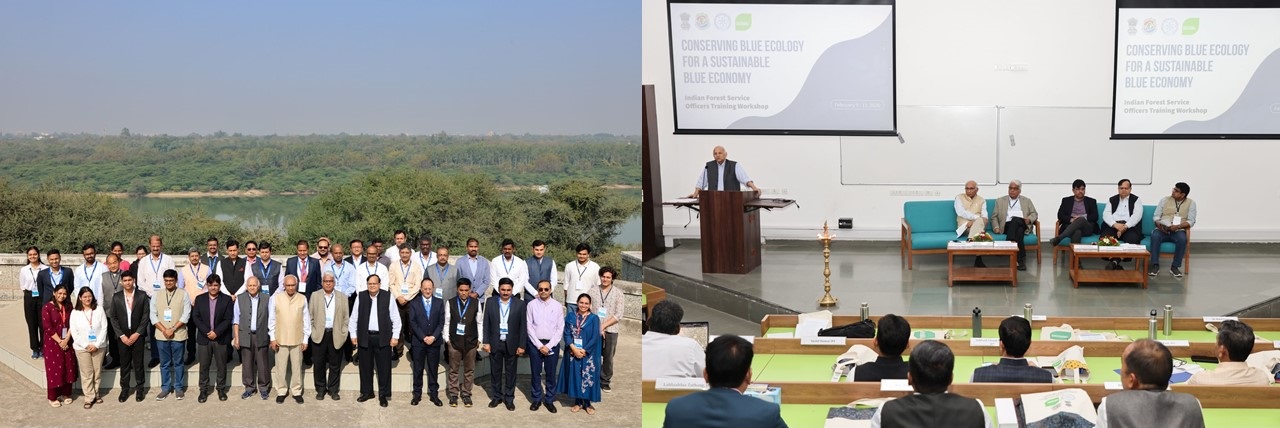
Indian Forest Service Officers’ Training Workshop on “Conserving Blue Ecology for a Sustainable Blue Economy”
The three-day Indian Forest Service Officers’ Training Workshop on “Conserving Blue Ecology for a Sustainable Blue Economy” held from February 9-11, 2026, brought together 27 serving IFS officers from various States and Union Territories to strengthen capacity in marine, coastal, and wetland governance. The workshop emphasized the national importance of integrating ecological conservation with sustainable economic development, highlighting the role of the Indian Forest Service in safeguarding blue ecosystems amid growing pressures from climate change and development. Through technical sessions, interactive discussions, and brainstorming exercises, the workshop enhanced participants’ understanding of marine biodiversity, Blue Economy frameworks, marine protected area management, wetland governance, marine spatial planning, blue carbon ecosystems, and sustainable fisheries. The workshop reinforced the principle that a resilient Blue Economy must operate within ecological limits, promoting science-based, participatory, and cross-sectoral approaches to long-term conservation and sustainable resource management.
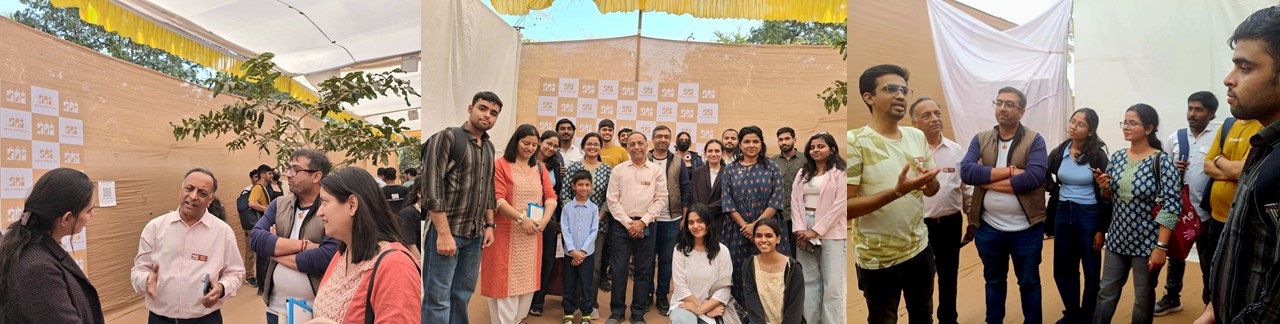
Karuna Abhiyan initiative led by the Forest Department, Government of Gujarat
On January 15, 2026, a group of students and staff from IIT Gandhinagar visited Jivdaya Charitable Trust (JCT), Panjrapol, Ahmedabad, as part of the Karuna Abhiyan initiative led by the Forest Department, Government of Gujarat. The visit, coordinated by the Dr. Kiran C. Patel Centre for Sustainable Development, aimed to sensitize students for fostering compassion towards wildlife and community-led biodiversity conservation, particularly in the context of bird rescue during the Uttarayan (kite-flying) festival. Participants observed on-ground rescue operations, treatment and rehabilitation processes for injured birds, and the large-scale coordination involving doctors, volunteers, and staff. The interaction provided first-hand exposure to systematic and technology-supported rescue efforts, including care for migratory and native bird species. Speakers from JCT and IITGN emphasized the importance of coexistence, responsible citizenship, and youth engagement in conservation efforts. The visit highlighted how Karuna Abhiyan reflects strong community participation and aligns with multiple Sustainable Development Goals through wildlife protection, awareness generation, and collaborative action. The programme concluded with plans for a student poster competition to encourage reflection and continued engagement, reinforcing the link between academic learning and real-world environmental stewardship.
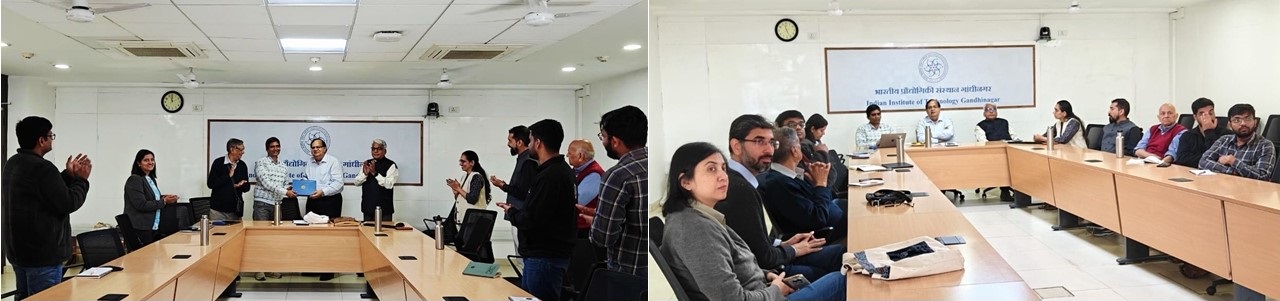
Seminar by Dr. J. R. Bhatt “Geopolitics of Climate Change - An Indian Perspective”
On January 9, 2026, Dr. J. R. Bhatt delivered a thought-provoking session on “Geopolitics of Climate Change - An Indian Perspective” that connected Indian philosophical wisdom with contemporary climate governance, as a part of the KPCSD Sustainability Seminar Series. Dr. J. R. Bhatt is an internationally recognized expert in climate change and biodiversity. He has represented India at several major international forums, advocating for conservation, sustainable development, climate justice, and balanced mitigation - adaptation strategies. He currently serves as a Member of the Central Empowered Committee (constituted by the Hon’ble Supreme Court of India). He is also a Distinguished Fellow at the Vivekananda International Foundation, and Adjunct Professor at the National Institute of Advanced Studies, Bengaluru. He encouraged participants to critically question dominant global narratives and highlighted the importance of drawing upon India’s own cultural, scientific, and ecological heritage rather than uncritically adopting Western models. Using the historical example of the global spice trade, he illustrated India’s longstanding economic and ecological significance in global systems. He also explained the roles of major climate governance institutions such as the Intergovernmental Panel on Climate Change (IPCC) and the United Nations Framework Convention on Climate Change (UNFCCC), along with the importance of the Conference of Parties (COP) process in shaping global climate action. Highlighting India’s agricultural strength and traditional knowledge systems, he underscored the role of farmers in ensuring climate resilience and food security. Overall, his talk presented a balanced and forward-looking vision of India’s leadership in global climate dialogue.
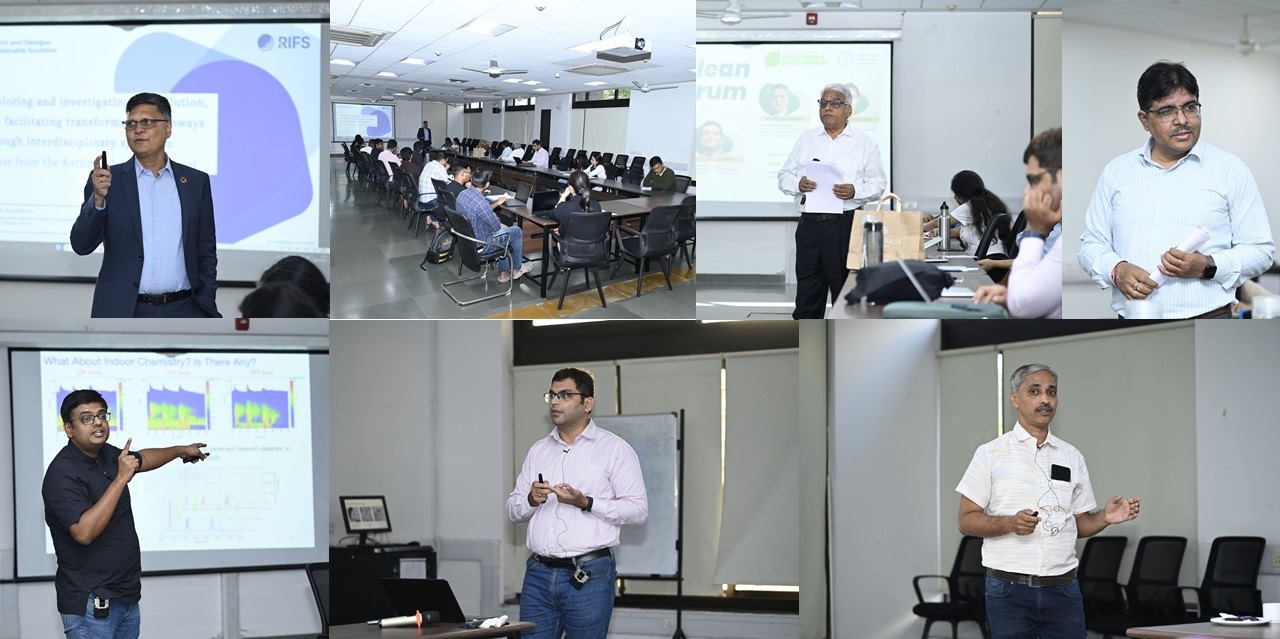
The Clean Air Forum 2025
On November 13, 2025, the Centre organized The Clean Air Forum, which began with welcome remarks by Dr. Vimal Mishra, Vikram Sarabhai Chair Professor and Dean (R&D), followed by an introduction to the Centre and the theme of the Forum by Prof. C. N. Pandey. The forum featured distinguished experts who shared interdisciplinary perspectives on air pollution and environmental sustainability. Dr. Maheswar Rupakheti from the Research Institute for Sustainability (RIFS), Germany, discussed air pollution dynamics and transformation pathways in the Kathmandu Valley. Dr. Lokesh Kumar Sahu from the Physical Research Laboratory (PRL), Ahmedabad, highlighted the sources of VOCs and reactive trace gases and their role in ozone and aerosol formation across urban and oceanic regions. Prof. Nipun Batra presented AI-driven decision-support systems for air quality management, linking satellite data to street-level interventions. Prof. Sameer Patel concluded with insights into indoor air environments and their implications for human exposure to pollution. The forum fostered rich discussion on scientific, technological, and policy approaches to improving air quality and strengthening environmental resilience.
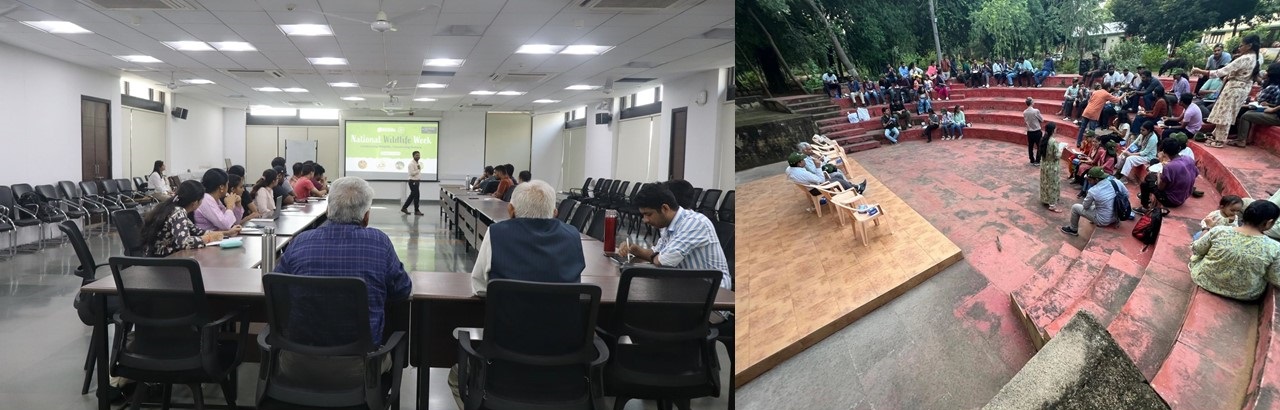
National Wildlife Week (October 2 to 8, 2025) Celebration
A three-day awareness programme was conducted as a part of the National Wildlife Week (October 2 to 8, 2025) combining creativity, experiential learning, and expert engagement. The event commenced with an inaugural address by Prof. C. N. Pandey, Coordinator, KPCSD, who emphasized the importance of wildlife in maintaining ecological balance. The first day featured an interactive origami session titled “Wildlife in a Fold” conducted by Art@IITGN, where campus children and staff creatively crafted birds and flowers, symbolizing harmony in nature. The second day included a nature walk themed “Communion with Nature” at Aranya Udhyan, organized in collaboration with the Green Club and guided by wildlife experts including Dr. Pranav Trivedi, Ms. Sangeetha Trivedi, and Prof. C. N. Pandey (IFS Rtd.). Participants explored native biodiversity and gained insights into the ecological importance of urban green spaces. The final day featured expert lectures by renowned wildlife conservationist Dr. H. S. Singh and Prof. C. N. Pandey, focusing on scientific management of protected areas, community participation, and sustainable coexistence between humans and wildlife. A key highlight was the launch of the Living Laboratory Portal, developed by a PhD scholar at IITGN, to digitally document and promote campus biodiversity. The programme concluded with the Wildlife Photography Competition awards on the theme “The Three B’s – Bees, Butterflies, and Birds,” recognizing participants’ creative efforts to capture nature’s beauty. Overall, the programme successfully fostered awareness, appreciation, and responsibility toward wildlife conservation, reinforcing IITGN’s commitment to environmental sustainability.
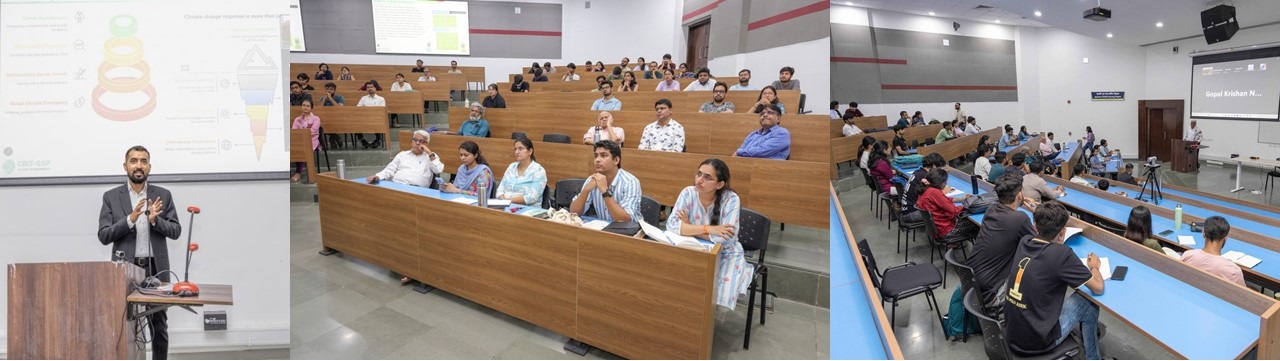
Seminar by Mr. Jaypalsinh Chauhan, Regional Network Coordinator for Asia at the UNEP Copenhagen Climate Centre
On August 27, 2025, the Centre organised a seminar by Mr. Jaypalsinh Chauhan, Regional Network Coordinator for Asia at the UNEP Copenhagen Climate Centre, as a part of the KPCSD Sustainability Seminar Series. He delivered an insightful session on career pathways in the rapidly expanding field of climate change and sustainability. Drawing from over a decade of experience with institutions such as Indian Institute of Management Ahmedabad, United Nations Development Programme, and India’s Ministry of Environment, Forest and Climate Change, he provided a practitioner’s perspective on transitioning from academic research to national and international climate policy roles. He highlighted the foundational importance of greenhouse gas (GHG) inventorisation and reporting, explaining its linkage to the Paris Agreement’s Enhanced Transparency Framework under the United Nations Framework Convention on Climate Change (UNFCCC). He also discussed emerging domains such as Life Cycle Assessment (LCA) and emphasized the critical technical, analytical, and policy skills required in the sustainability sector. The session concluded with practical guidance for students and professionals seeking to build impactful careers in climate governance and sustainable development.
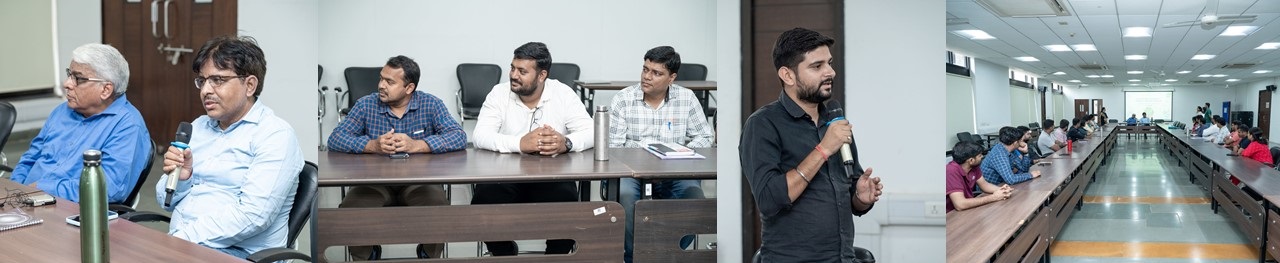
World Environment Day (June 5, 2025) Celebration
On the occasion of World Environment Day (June 5, 2025), a special event titled “Traditional Tales of Sustainability: Memories of Environment and Humans” was organized as a Staff Storytelling Circle. The informal gathering created a warm and reflective space for staff members to share personal memories, cultural experiences, and traditional knowledge related to the environment. The event celebrated the diverse regional backgrounds and rich traditions of the participants, highlighting the emotional and lived connections between humans and nature. Through shared stories and reflections, the programme reinforced the importance of sustainability, cultural wisdom, and collective responsibility towards the environment.